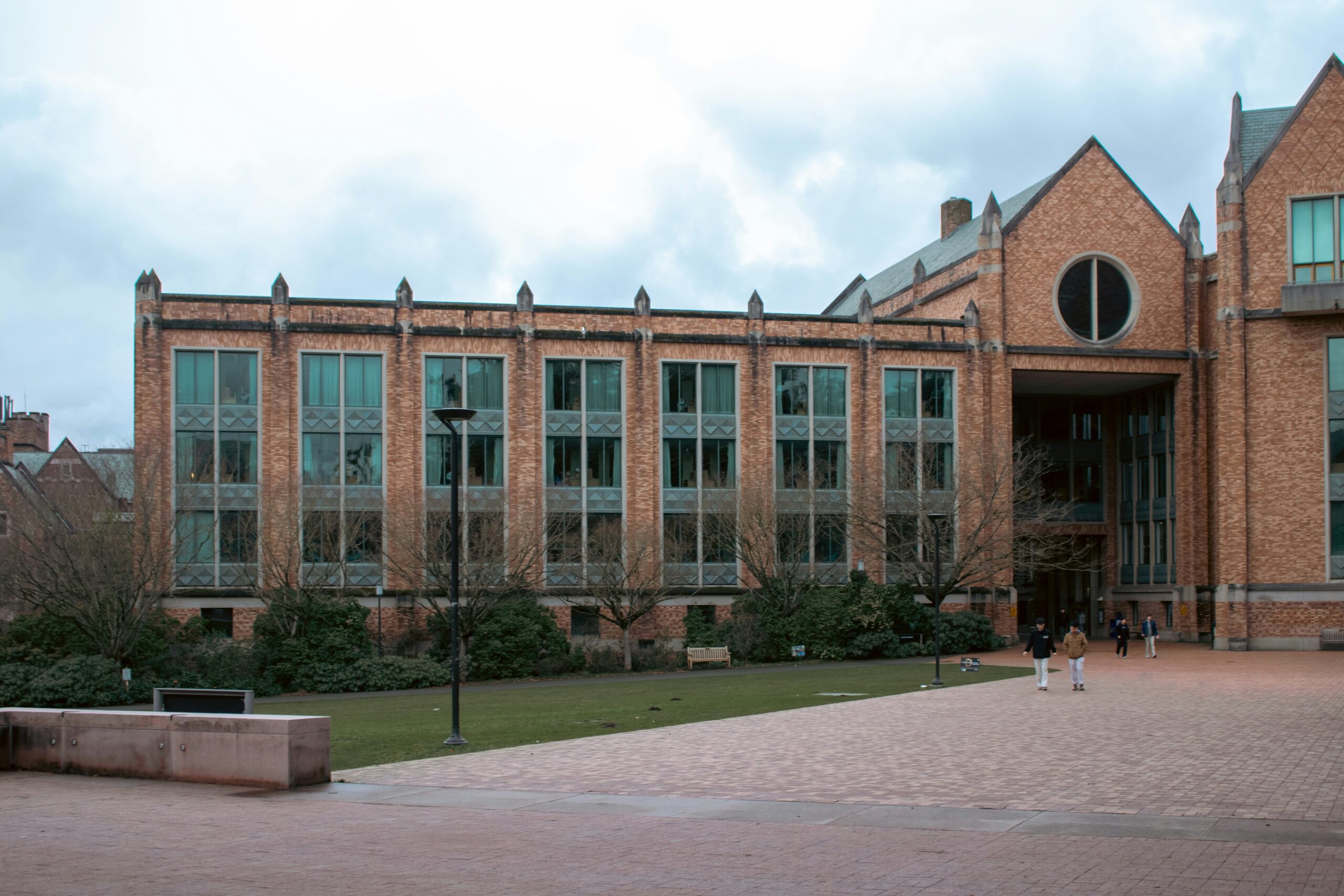
Scholarship programs generate authoritative .edu backlinks while supporting education and building community goodwill simultaneously.
Educational institutions actively seek scholarship opportunities for their students, creating natural link building scenarios where universities want to link to legitimate programs. Moreover, scholarship pages typically remain linked permanently rather than being removed during content updates that affect other link types. Understanding how to structure scholarship programs that serve students genuinely while earning quality backlinks separates effective implementations from obvious link schemes that educational institutions reject.
Successful scholarship link building requires genuine commitment to student support demonstrated through meaningful award amounts, transparent selection processes, and sustained program maintenance over multiple years.
Understanding Educational Link Value
Domain authority from .edu sites carries significant weight. Educational institution domains maintain high authority due to rigorous content standards and academic credibility. Consequently, backlinks from universities provide substantial SEO value beyond typical commercial domains.
Link permanence differs from typical placements. University scholarship pages often remain unchanged for years, providing stable backlinks that compound value over time. Moz research indicates that .edu links maintain stability 3x longer than average commercial backlinks.
Trust signals extend beyond SEO metrics. Scholarship associations demonstrate community commitment and corporate responsibility that influence brand perception alongside technical SEO benefits. Moreover, scholarship visibility among students and families can drive brand awareness in valuable demographics.
Designing Legitimate Scholarship Programs
Award amount credibility matters fundamentally. Scholarship amounts must be substantial enough to genuinely help students. Awards below $500 appear token gestures rather than serious educational support. Search Engine Journal analysis shows universities reject scholarships under $1,000 as not worth promoting.
Eligibility criteria balance accessibility with relevance. Broad eligibility maximizes potential applicant pools while maintaining connection to your business or industry. Overly restrictive criteria limit applications while completely open programs lack differentiation.
Application requirements demonstrate selection rigor. Requiring essays, transcripts, or recommendation letters shows serious evaluation rather than random selection. However, balance thoroughness with reasonable applicant burden to maintain participation rates.
Structuring Program Details
Dedicated scholarship pages provide clear information. Comprehensive pages explaining eligibility, application processes, deadlines, and selection criteria give universities complete information needed to confidently link to programs.
Multiple year commitment signals legitimacy. Announcing scholarships as annual recurring programs rather than one-time offerings demonstrates sustainable commitment that universities value more highly when deciding whether to feature opportunities.
Clear application processes reduce friction. Step-by-step instructions, required document lists, and submission methods must be completely transparent. Confusion about application procedures causes universities to hesitate recommending programs.
Outreach to Educational Institutions
Financial aid office targeting reaches decision makers. Financial aid administrators maintain scholarship databases and resource pages. Direct outreach to these offices with complete program information facilitates listing inclusion.
Department-specific outreach increases relevance. Contacting academic departments related to your industry or scholarship focus targets students most likely to benefit. Engineering scholarships pitched to engineering departments receive warmer reception than generic university-wide pitches.
Student organization partnerships expand reach. Campus clubs, honor societies, and student groups often maintain resource pages or newsletters where scholarship opportunities get featured. Link building services implementing scholarship strategies often pursue both institutional and student organization placements simultaneously.
Creating Scholarship Announcement Assets
Press release distribution generates initial awareness. Announcing new scholarships through press releases creates coverage that helps educational institutions discover programs while generating early backlinks from news aggregators and local media.
Professional program materials demonstrate legitimacy. Well-designed scholarship logos, application forms, and promotional materials signal serious programs rather than casual link building attempts. Visual professionalism influences institutional perceptions significantly.
Winner announcement content provides ongoing promotion. Publishing winner profiles, success stories, or award ceremonies creates additional content that scholarship directories and educational media reference while celebrating recipients publicly.
Managing Application and Selection Processes
Transparent selection criteria maintain integrity. Clearly stated evaluation standards for essays, academic performance, or other requirements demonstrate fair assessment rather than arbitrary selection favoring predetermined winners.
Independent judging panels increase credibility. Involving educators, industry professionals, or community leaders in selection processes shows serious evaluation rather than marketing team selections lacking educational expertise.
Timely communication respects applicants. Acknowledging applications, notifying finalists, and announcing winners within stated timeframes demonstrates organizational competence that reflects well on scholarship legitimacy.
Measuring Scholarship Link Building Success
Link acquisition tracking by institution tier reveals program reception. Monitor which universities link to your scholarship to understand program appeal across institution types. Top-tier university links indicate particularly successful programs worth expanding.
Application volume indicates program visibility. Strong application numbers suggest effective promotion and genuine student interest. Low applications might signal inadequate award amounts or unclear eligibility criteria requiring program adjustments.
Brand awareness metrics show broader impact. Track branded searches and direct traffic increases correlated with scholarship launches to understand awareness building beyond pure link acquisition.
Maintaining Long-Term Programs
Annual scholarship cycles require consistent execution. Maintaining regular award cycles demonstrates commitment while keeping scholarship pages current. Lapsed programs lose links as universities remove outdated opportunities.
Winner showcases build program history. Creating alumni sections featuring past winners shows program longevity while providing social proof that encourages future applications and institutional confidence.
Program evolution demonstrates responsiveness. Adjusting scholarship focuses, award amounts, or eligibility criteria based on feedback shows adaptive management rather than static programs launched purely for link building.
Avoiding Scholarship Link Building Pitfalls
Obviously manipulative programs damage reputation. Scholarships with minimal awards, impossible eligibility, or transparent link building focus get rejected by universities and potentially draw Google scrutiny. Backlinko compliance guidance recommends treating scholarship programs as genuine CSR initiatives with link benefits as secondary.
Neglecting winner selection destroys credibility. Announcing scholarships without actually awarding them or significantly delaying selections damages institutional relationships permanently. Consistent execution matters more than program scale.
Geographic or demographic restrictions require careful consideration. Overly narrow targeting might violate discrimination principles while completely open programs lack focus. Balance inclusivity with relevant program parameters thoughtfully.
Combining Scholarships With Other Educational Initiatives
Internship programs complement scholarship offerings. Combining scholarships with internship opportunities provides comprehensive student support that universities value more highly than isolated programs.
Educational content creation serves students beyond awards. Publishing career guides, industry insights, or skill development resources demonstrates educational commitment beyond financial support alone.
Campus event sponsorships build institutional relationships. Supporting university events, career fairs, or academic conferences strengthens relationships with educational institutions that facilitate scholarship promotion.
Targeting Community Colleges and Trade Schools
Community college partnerships serve underserved populations. Community colleges actively seek scholarship opportunities for students who often face financial challenges. These institutions link readily to programs supporting their students.
Trade school relevance varies by industry. For businesses in skilled trades, partnering with vocational schools creates natural alignment where scholarships directly support future workforce development.
Regional targeting maximizes local impact. Focusing scholarship outreach on educational institutions within your business regions creates community connections while simplifying winner interaction and recognition events.
Future-Proofing Scholarship Strategy
Digital skills scholarships address workforce needs. Technology-focused scholarships align with digital economy demands while appealing to universities emphasizing STEM education and technical skill development.
Diversity and inclusion emphasis reflects social priorities. Scholarships supporting underrepresented groups in your industry demonstrate progressive values that educational institutions increasingly prioritize.
Micro-scholarship models enable scale. Smaller, more frequent awards reaching more students can generate comparable link value while spreading educational impact across larger recipient pools. Ahrefs research suggests multiple smaller scholarships generate more total links than single large awards.
Conclusion
Scholarship link building delivers authoritative educational backlinks while supporting genuine student success and community goodwill. The strategy requires authentic commitment to education demonstrated through meaningful awards, transparent processes, and sustained program maintenance. Success comes from viewing scholarships as legitimate corporate social responsibility initiatives where link acquisition represents one benefit among broader community contributions.
Effective scholarship programs balance SEO objectives with educational impact. Universities link to programs demonstrating serious student support rather than obvious link schemes disguised as philanthropy. Moreover, scholarship associations build brand reputation among families and communities that extends value beyond technical backlink metrics.
Begin by determining realistic scholarship budgets supporting meaningful awards of at least $1,000 that genuinely help students. Develop comprehensive program documentation including eligibility criteria, application processes, and selection standards. Then systematically reach out to university financial aid offices and relevant academic departments with complete program information. This foundation establishes legitimate educational partnerships that generate stable, authoritative backlinks while supporting student success.
