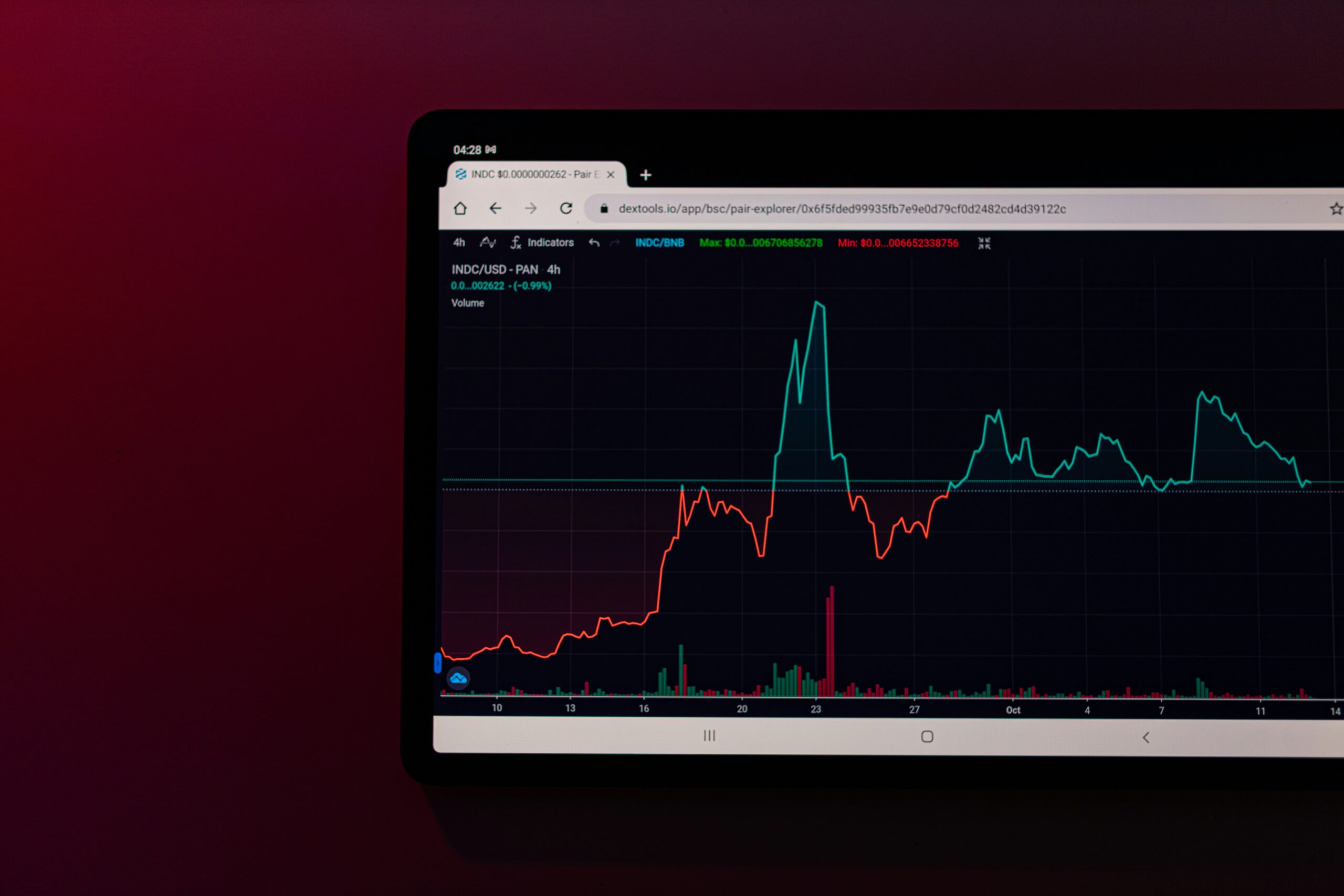
Cryptocurrency exchange link building emphasizes security credentials, regulatory compliance, and educational content serving trader needs.
The cryptocurrency exchange market operates under intense competitive and regulatory pressure where trust determines success more than marketing prowess. Traders demand transparent security practices, regulatory compliance evidence, and comprehensive educational resources before risking capital on platforms. Moreover, exchange link building faces unique challenges around payment processor restrictions, advertising platform policies, and jurisdictional regulations that eliminate many traditional tactics. Understanding how to build authority through technical credibility and community trust rather than conventional promotion separates successful exchanges from failed attempts.
Successful exchange link building prioritizes security transparency, regulatory compliance demonstration, and trader education that establishes genuine trustworthiness.
Understanding Crypto Trader Decision Factors
Security reputation determines platform selection. Exchange hacks and fund losses create traumatic community memories making security track records primary consideration factors. Content demonstrating robust security attracts links from crypto security publications and trader protection advocates.
Regulatory compliance signals legitimacy. Licensed exchanges operating legally within jurisdictions inspire more confidence than offshore operations with unclear regulatory status. Compliance documentation and licensing transparency generate coverage from regulatory-focused crypto media.
Liquidity and trading volume affect usability. Traders need sufficient liquidity for efficient execution. Publishing real-time volume data and order book depth demonstrates trading capability that analytical crypto sites reference. CoinDesk analysis shows that exchanges with transparent volume reporting receive 60% more editorial coverage than those with opaque metrics.
Building Authority Through Security Content
Security audit publication demonstrates diligence. Regular third-party security audits from reputable firms like CertiK or Hacken provide assurance that security-conscious publications and trader communities reference when evaluating platforms.
Cold storage explanation builds confidence. Clear information about what percentage of funds remain in cold storage versus hot wallets, multi-signature requirements, and custody procedures shows security sophistication that technical crypto sites appreciate.
Bug bounty program transparency engages security community. Active bug bounty programs with substantial rewards attract white-hat hackers who often publish responsible disclosure writeups that include exchange mentions and demonstrate security commitment.
Creating Comprehensive Trading Education
Trading basics serve newcomers. Comprehensive guides explaining order types, chart reading, technical analysis, or risk management help new traders while providing educational content that beginner crypto sites reference regularly.
Advanced trading strategies appeal to experienced users. Content covering leverage trading, derivatives, arbitrage opportunities, or market making serves sophisticated traders while demonstrating platform capability depth.
Market analysis content establishes expertise. Regular technical analysis, market commentary, or crypto news interpretation positions exchange teams as industry voices that crypto media quotes and references.
Leveraging Regulatory Compliance
Licensing transparency demonstrates legitimacy. Clear information about which jurisdictions grant operational licenses, regulatory bodies overseeing operations, and compliance standards met signals serious operation that regulatory-focused publications appreciate.
KYC and AML explanation shows responsibility. Detailed information about identity verification requirements, anti-money laundering procedures, and compliance protocols demonstrates commitment to legal operation that financial crime prevention organizations acknowledge.
Regulatory change coverage positions thought leadership. Analyzing regulatory developments, explaining compliance implications, or predicting industry direction establishes exchange leadership as informed industry voices. Crypto link building strategies for exchanges often succeed through regulatory expertise demonstration that mainstream financial publications find credible.
Engaging Crypto Media Ecosystem
Exchange listing announcements generate coverage. Adding new cryptocurrency trading pairs justifies announcements that coin-specific communities and listing tracking sites cover with exchange mentions.
Trading competition promotion creates events. Hosting trading competitions with substantial prizes generates coverage from crypto event calendars and competition tracking sites while driving user engagement.
Partnership announcements provide news angles. Collaborations with other blockchain projects, payment processors, or financial institutions create newsworthy developments that The Block and similar outlets cover.
Building Links Through Trading Tools
API documentation enables developer integration. Comprehensive API docs with code examples help developers build trading bots or integrate exchange functionality into applications, generating backlinks from developer documentation and integration guides.
Trading calculator provision serves practical needs. Tools calculating trading fees, profit/loss, or currency conversions provide utility that trading education sites and crypto calculator aggregators link to regularly.
Portfolio tracking integration expands utility. Enabling portfolio tracker integration or providing tracking APIs generates links from portfolio management applications and crypto asset tracking platforms.
Targeting Comparison and Review Sites
Fee transparency facilitates comparison. Clear, comprehensive fee structures enable accurate comparison site listings. Exchanges hiding fees or using complex pricing get excluded from comparison aggregators serving significant research traffic.
Feature comparison participation ensures visibility. Responding to comparison site inquiries about exchange features, supported currencies, or trading options ensures accurate listings that drive qualified traffic.
Review solicitation encourages coverage. Actively requesting reviews from crypto review sites while maintaining editorial independence generates comprehensive coverage that helps traders evaluate options.
Creating Asset-Specific Content
Coin listing analysis explains selections. Detailed explanations of listing criteria, due diligence processes, and selection rationale demonstrate careful curation that crypto project evaluation sites reference.
Trading pair guides serve specific communities. Comprehensive information about trading specific assets, market depth, or liquidity for particular pairs attracts links from coin-specific communities and information sites.
Staking and earning opportunity explanation attracts yield seekers. Clear information about staking rewards, lending rates, or earning opportunities positions exchanges as comprehensive crypto service platforms beyond pure trading.
Measuring Exchange Link Building Success
User acquisition cost by source reveals efficiency. Track customer acquisition costs from different backlink sources to understand which generate valuable active traders versus casual signups.
Trading volume by referral source indicates quality. Links driving users who actually trade demonstrate effective targeting of genuine traders rather than passive crypto observers.
Retention rates show platform satisfaction. Traders returning regularly suggest positive experiences indicating quality link sources worth prioritizing in future outreach.
Avoiding Exchange Link Building Pitfalls
Volume manipulation allegations damage credibility. Wash trading or artificial volume inflation destroys reputation when exposed. Maintaining honest reporting protects long-term credibility essential for quality link acquisition.
Unrealistic yield promises attract wrong attention. Promoting unsustainable returns through lending or staking programs creates regulatory and community backlash when programs inevitably fail.
Ignoring jurisdictional restrictions risks compliance. Marketing in jurisdictions where exchange operations lack proper licensing creates regulatory exposure that publications highlight negatively.
Collaborating With Crypto Influencers
YouTube trading channel partnerships reach learners. Crypto trading YouTubers create educational content using specific exchanges. Partnerships generate exposure alongside tutorial links when creators showcase platform features.
Twitter Space participation builds visibility. Regular appearances in crypto Twitter Spaces discussing trading strategies, market conditions, or exchange features builds community presence.
Podcast sponsorships reach engaged audiences. Crypto podcasts attract dedicated listeners interested in trading. Sponsorships generate awareness alongside backlinks from show notes and sponsor listings.
Targeting Institutional Crypto Media
OTC desk capabilities attract professional coverage. Institutional trading services, OTC desks, or custody solutions for large accounts interest publications covering institutional crypto adoption.
Market making and liquidity provision demonstrates sophistication. Content explaining market making activities, liquidity provision, or professional trading support attracts links from trading infrastructure and market structure publications.
Institutional custody features serve professional needs. Clear information about institutional-grade custody, insurance coverage, or professional account features positions exchanges for institutional trader coverage.
Future-Proofing Exchange Link Strategy
DeFi integration bridges CeFi and DeFi. Enabling DeFi protocol access through centralized interfaces creates hybrid positioning that attracts coverage from both CeFi and DeFi publications.
Traditional finance integration expands reach. Fiat on-ramps, bank partnerships, or payment card integrations interest mainstream financial publications exploring crypto adoption.
Regulatory compliance leadership differentiates positioning. Proactive compliance with emerging regulations positions exchanges favorably as regulatory clarity increases. Cointelegraph reports that compliance-forward exchanges receive 40% more mainstream financial publication coverage than minimally compliant competitors.
Conclusion
Cryptocurrency exchange link building succeeds through security transparency, regulatory compliance, and educational content that establishes genuine trustworthiness within skeptical crypto communities. The strategy requires demonstrating technical competence, legal operation, and trader protection commitment rather than simply promoting trading features. Success comes from building reputation as secure, compliant platforms that serve trader interests genuinely.
Sustainable exchange authority develops through consistent security excellence, regulatory cooperation, and community education. Exchanges prioritizing user protection, transparent operation, and genuine value creation naturally attract coverage from crypto media and community endorsement manifesting as quality backlinks. Moreover, trust-based positioning attracts serious traders rather than speculative users seeking unrealistic returns.
Begin by ensuring security practices, regulatory compliance, and educational content meet highest standards before pursuing external link building. These operational foundations become primary marketing assets that crypto communities evaluate critically. Then systematically engage crypto media, developer communities, and trader education platforms through authentic expertise demonstration and transparency. This foundation establishes exchange credibility generating sustainable link acquisition while building trader trust essential for long-term success.
