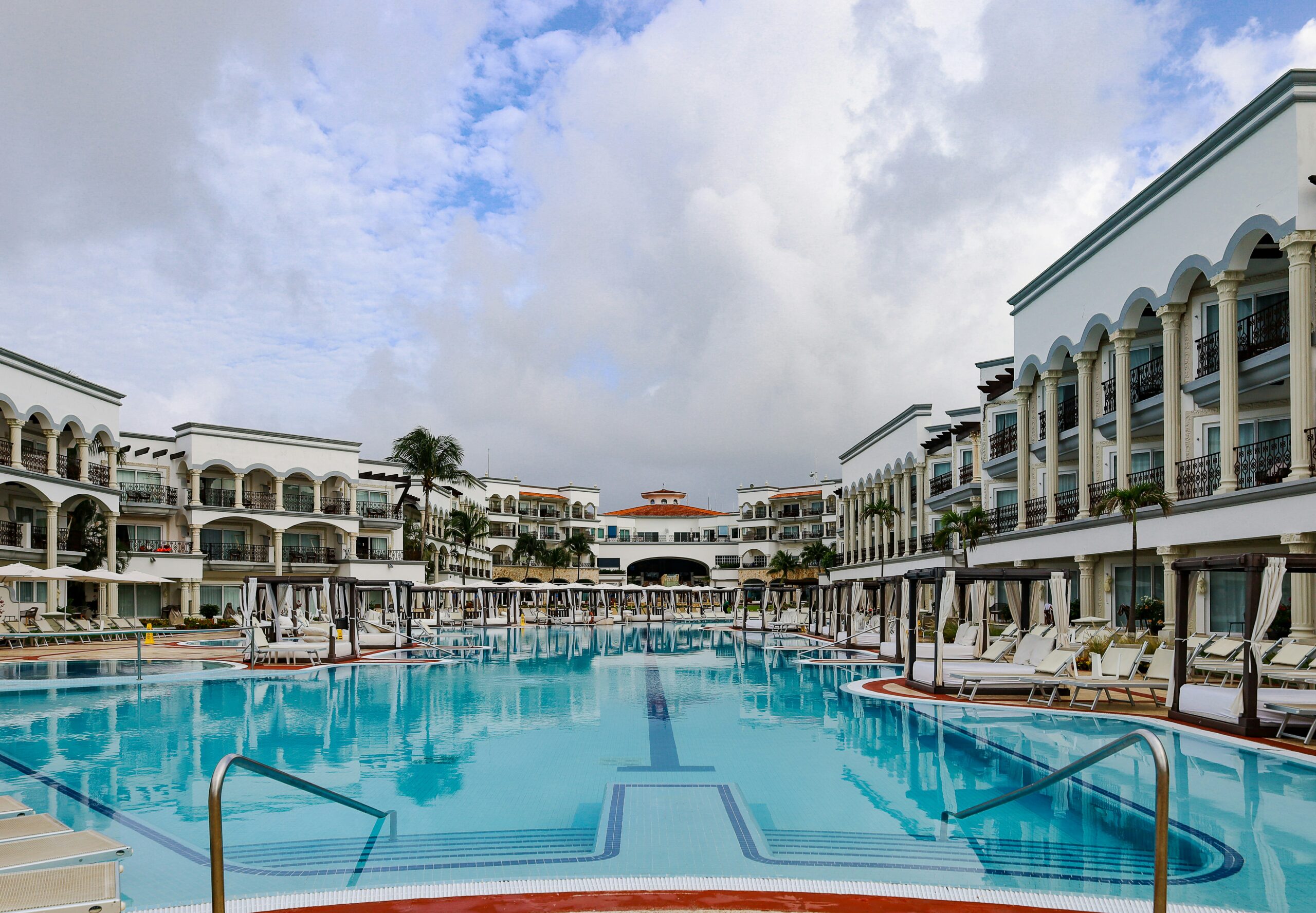
Hotels and resorts earn quality backlinks through destination marketing, travel guide features, and strategic tourism industry partnerships.
The hospitality industry benefits from natural link building opportunities that many sectors lack. Travel bloggers actively seek accommodation recommendations, destination guides require hotel information, and tourism organizations naturally link to quality properties. Understanding how to position your property within this travel content ecosystem generates sustainable backlink profiles that drive both SEO value and direct bookings. Moreover, hospitality link building often delivers immediate revenue impact alongside long-term ranking improvements.
Successful hotel link building requires thinking beyond traditional marketing to provide genuine value for travel content creators and destination marketers. Your property becomes a resource worth referencing rather than simply another listing competing for attention.
Understanding Travel Content Economics
Travel bloggers monetize through affiliate commissions. Most travel content creators earn income from booking platform referrals rather than direct hotel partnerships. Consequently, they naturally link to properties listed on major OTAs where affiliate programs exist. Understanding this dynamic helps structure partnership proposals.
Destination guides serve reader planning needs. Travel guides prioritizing genuine reader value over pure promotion earn trust and rankings. Properties featured in these guides benefit from high-intent referral traffic from travelers actively planning trips.
Review site partnerships drive booking conversions. TripAdvisor, Booking.com reviews, and Google ratings influence booking decisions significantly. While not traditional backlinks, these platforms provide referring traffic and authority signals. Skift reports that 85% of travelers consult reviews before booking accommodations.
Building Relationships With Travel Bloggers
Complimentary stay programs generate authentic coverage. Offering accommodation to established travel bloggers creates opportunities for detailed reviews and destination content featuring your property. However, ensure editorial independence to maintain credibility.
Partnership criteria prevent wasted resources. Not every travel blogger with followers delivers value. Evaluate domain authority, engagement rates, content quality, and audience demographics before extending partnership offers.
Ongoing relationships multiply returns. Bloggers who’ve stayed at your property often reference it in multiple articles over years as they write destination guides, packing lists, or accommodation comparisons. These repeat mentions compound link building value significantly.
Leveraging Destination Marketing Organizations
DMO partnership opportunities abound for quality properties. Tourism boards, convention bureaus, and destination marketing organizations maintain accommodation directories and regularly feature member properties in promotional content.
Press trip participation generates coordinated coverage. DMOs organize familiarization trips bringing multiple travel writers and bloggers to destinations. Participating in these trips results in coverage from numerous sources simultaneously.
Content collaboration with DMOs extends reach. Contributing destination expertise, local insights, or amenity information to DMO content helps them serve visitors while generating attribution links and brand mentions.
Creating Travel Guide Features
Comprehensive area guides attract organic links. Creating the definitive resource about your destination area positions your site as an authority that travel bloggers reference when writing their own destination content.
Attraction partnership content provides unique value. Collaborating with nearby attractions to create combined itineraries or package descriptions generates content that both parties promote and link to.
Transportation and logistics information serves planning needs. Detailed guides about reaching your property, navigating the area, or accessing attractions help travelers while providing linkable assets. Travel Weekly analysis shows that logistics content receives 40% more external links than purely promotional property descriptions.
Optimizing Booking Platform Presence
OTA profile completeness affects visibility significantly. Comprehensive profiles with professional photos, detailed descriptions, and amenity information rank better within platform search results. Moreover, complete profiles get referenced more often in external travel content.
Review response demonstrates engagement. Actively responding to reviews across platforms shows prospective guests that management cares about guest experiences. Additionally, thoughtful responses often get screenshot and shared in travel blogs discussing customer service.
Platform-specific promotions generate buzz. Exclusive deals through major OTAs sometimes get featured in deal blogs and travel newsletters that link to specific property pages when highlighting exceptional offers.
Building Links Through Event Hosting
Wedding venue marketing attracts bridal media links. Properties with event capabilities can earn links from wedding blogs, vendor directories, and venue showcase sites. These links often come from high-authority lifestyle publications.
Conference facility promotion reaches business travel sites. Hotels with meeting spaces can target business travel blogs, corporate event planning resources, and professional association directories that list appropriate venues.
Local event partnerships build community connections. Hosting community events, fundraisers, or local celebrations generates coverage from local news sites and community blogs. Link building services for hospitality businesses often coordinate event-based PR that generates multiple local backlinks per event.
Leveraging Unique Property Features
Historic property significance attracts specialty coverage. Hotels with historical significance often earn links from architecture blogs, historical societies, and cultural tourism resources interested in preservation and heritage.
Sustainable practices appeal to eco-conscious travelers. Green certifications, sustainability initiatives, or environmental programs generate links from eco-travel blogs and sustainability-focused publications increasingly popular among modern travelers.
Culinary excellence extends beyond hospitality media. Hotels with exceptional restaurants can earn food blogger coverage and culinary publication features that provide valuable backlinks while attracting dining customers beyond overnight guests.
Creating Seasonal Content Strategies
Peak season planning content attracts advance bookings. Publishing comprehensive guides 3-6 months before high season helps travelers plan while positioning your property prominently in seasonal searches.
Off-season promotion fills occupancy gaps. Content highlighting off-peak advantages like lower rates, smaller crowds, or seasonal attractions appeals to flexible travelers while generating links from budget travel blogs.
Holiday package promotion generates shopping guide features. Specially curated holiday experiences often get featured in gift guide roundups and holiday travel planning articles across lifestyle publications.
Targeting Travel Photography Communities
Instagram partnership opportunities reach visual audiences. Collaborating with travel photographers and Instagram influencers generates visual content and tags that drive discovery alongside direct backlinks.
Photo licensing arrangements provide content assets. Offering professional property photos for travel content creators to use with attribution generates links while ensuring visual quality in external coverage.
Photography contest hosting engages visual communities. Running photo contests encourages guests to share property images while generating social engagement that often translates to blog features and backlinks.
Measuring Hospitality Link Building Impact
Direct booking attribution reveals revenue impact. Track bookings originating from referral traffic to calculate actual revenue generated by link building efforts. This direct ROI demonstration justifies continued investment.
Seasonal ranking tracking shows competitive positioning. Monitor rankings for key seasonal searches to understand how link building affects visibility during crucial booking periods.
Brand search volume indicates awareness growth. Increasing branded searches suggest successful visibility building beyond direct rankings. Travelers discovering your property through links often search branded terms later during booking consideration.
Avoiding Hospitality Link Building Mistakes
Over-reliance on OTAs limits direct relationship building. While OTA presence matters, focusing exclusively on these platforms misses opportunities for direct booking traffic from travel blogs and destination guides.
Neglecting negative review responses damages reputation. Unaddressed negative reviews concern prospective guests and suggest poor management. Constructive responses demonstrate commitment to guest satisfaction.
Geographic targeting errors waste resources. Promoting mountain resorts to beach vacation audiences or vice versa generates irrelevant traffic that doesn’t convert. Precise audience targeting ensures link building reaches appropriate traveler segments.
Collaborating With Local Tourism Ecosystem
Restaurant partnerships create reciprocal opportunities. Recommending quality local dining while securing reciprocal recommendations from restaurants builds network effects benefiting all local tourism businesses.
Activity provider relationships enhance guest experiences. Partnering with tour operators, activity providers, or attraction operators creates package opportunities that all parties promote through their channels.
Transportation service coordination improves guest convenience. Relationships with airport shuttles, car services, or local transportation providers improve guest experience while generating links from transportation service websites.
Future-Proofing Hotel Link Strategy
Virtual tour technology enhances online presence. 360-degree tours and VR experiences provide immersive previews that tech blogs and innovation-focused travel sites often feature and link to when highlighting cutting-edge hospitality.
Contactless technology adoption attracts coverage. Mobile check-in, digital keys, and automated services interest technology publications beyond traditional travel media. Think with Google data shows that 72% of travelers prefer properties with contactless options post-pandemic.
Wellness programming appeals to health-focused travelers. Comprehensive wellness offerings including fitness facilities, spa services, or mindfulness programs generate links from health and wellness publications expanding beyond traditional travel media.
Conclusion
Hotel and resort link building succeeds through authentic relationship development within the travel content ecosystem. The strategy leverages natural hospitality industry dynamics where travel creators constantly seek quality properties worth recommending to their audiences. Success comes from genuine service excellence, strategic DMO partnerships, and content creation that serves traveler needs beyond pure promotion.
Sustainable hospitality link building generates both SEO benefits and direct revenue impact. Links from travel blogs and destination guides drive high-intent traffic from travelers actively planning trips. Moreover, these placements often generate immediate bookings alongside long-term ranking improvements that compound over seasons.
Begin by identifying established travel bloggers and destination guides covering your area. Reach out with thoughtful partnership proposals emphasizing mutual value rather than simply requesting coverage. Simultaneously, engage actively with local DMOs and tourism organizations to ensure your property appears in official destination marketing. This dual approach builds both grassroots blogger relationships and institutional tourism industry connections that generate sustainable link acquisition and booking growth.
