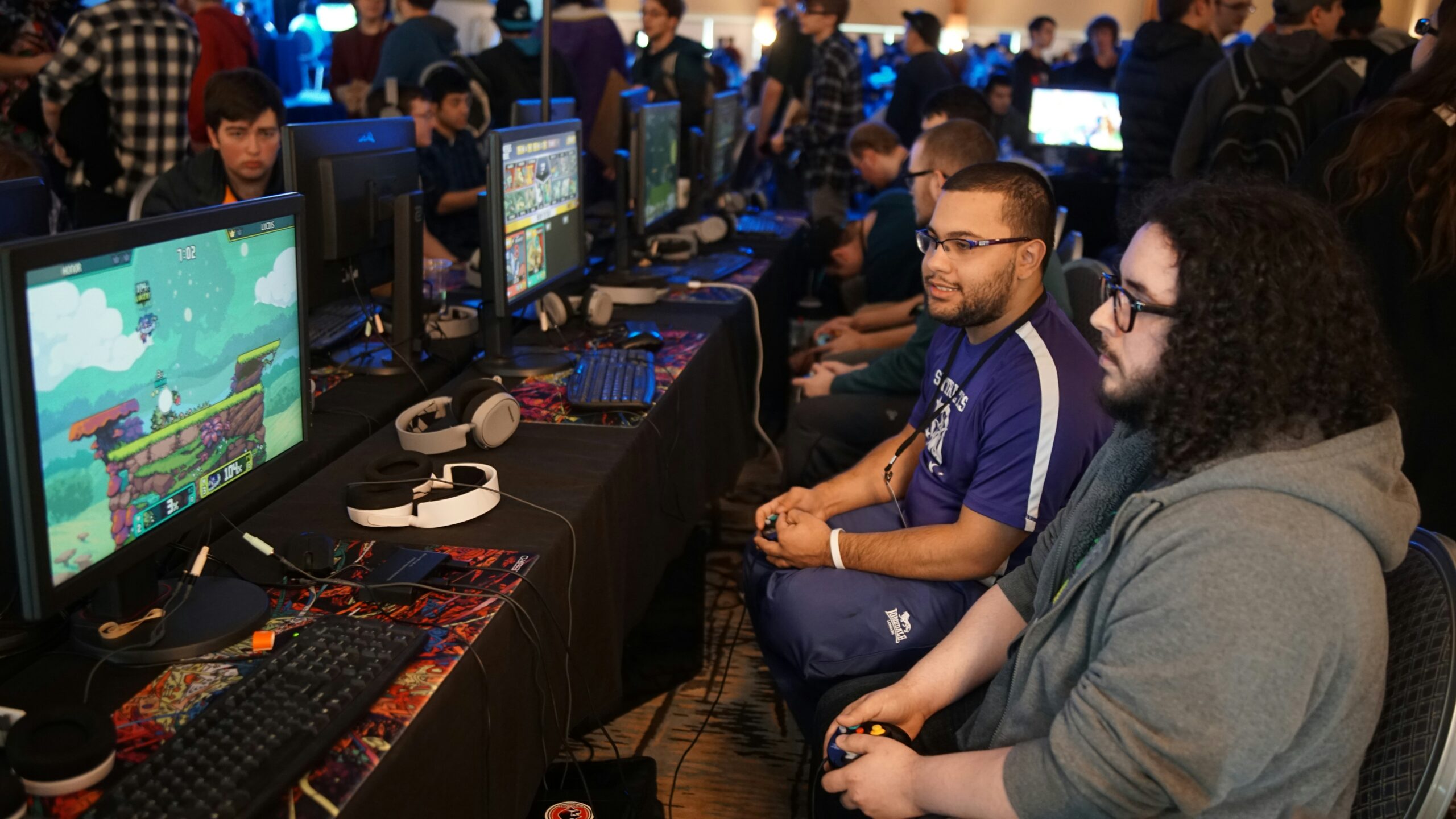
Esports betting has 80 million
global bettors and is growing at 13.7% CAGR. The SEO challenge is unlike
anything else in iGaming.
The numbers tell a clear story.
The global esports betting market reached approximately $18.53 billion in 2026,
growing at a compound annual rate of 13.7% that significantly outpaces the
broader sports betting market. Global esports viewership has surpassed 640
million people, with approximately 29% of those viewers placing wagers at least
once per month. Around 80 million people placed bets on esports competitions in
2025, and that figure is climbing steadily — driven by a bettor demographic
where 44% are aged 18 to 27 and 87% are under 43, making this the youngest,
most digitally native audience in the entire wagering industry.
For operators and affiliates
competing in this vertical, the scale of the opportunity is matched by the
distinctiveness of its SEO challenge. Esports betting sits at a genuinely
unusual intersection — simultaneously a gambling vertical subject to all of iGaming’s
YMYL scrutiny and regulatory complexity, and a gaming and entertainment
vertical with its own distinct publisher ecosystem, search behaviour patterns,
and audience characteristics. Treating esports betting SEO as a straightforward
extension of general sportsbook SEO produces predictably mediocre results,
because the two verticals share a regulatory framework while differing
fundamentally in almost everything else. A specialist esports
betting SEO link building service accounts for both dimensions
simultaneously — and that dual fluency is what determines whether a campaign
actually moves rankings.
Why Esports Betting Is Structurally Different From Traditional Sports
Betting SEO
The surface-level similarities
between esports betting and traditional sports betting SEO are real but
misleading. Both operate in YMYL territory. Both face elevated algorithmic
scrutiny and heightened compliance requirements. Both compete for audiences making
financial decisions — which bets to place, which operators to trust, which
bonuses to claim. A practitioner experienced in traditional sportsbook SEO will
find these dimensions familiar.
What they will find unfamiliar
is almost everything else. The keyword landscape in esports betting is
organised around specific game titles — League of Legends, Counter-Strike 2,
Dota 2, Valorant, Call of Duty — rather than sports leagues and fixtures. The
seasonal rhythms are defined by tournament calendars that have no obvious
parallel in traditional sports: The International, the League of Legends World
Championship, IEM Katowice, the Esports World Cup. The search behaviour of the
audience skews far more toward on-platform discovery channels — Twitch,
YouTube, Discord — than the search engine pathways that dominate traditional
sports betting traffic acquisition.
The competitive structure is
also distinct. According to the Gaming and iGaming SEO Industry Guide
published by SEOFrancisco, the iGaming search landscape is dominated
by over 5,000 operators competing for high-value keywords, with casino keywords
attracting CPCs exceeding $50 for transactional terms. Within esports betting,
this competition is concentrated more heavily around specific game titles and
tournament moments than around the broad category terms that define traditional
sportsbook competition — creating a keyword structure that rewards deep
game-specific content and title-level topical authority over generic betting comparisons.
The Search Landscape: How Esports Bettors Actually Find Operators
Understanding how the esports
betting audience discovers and evaluates operators is the prerequisite for
building an effective SEO strategy in this vertical. The discovery journey for
an esports bettor differs materially from that of a traditional sports bettor,
and the differences have direct implications for which content formats earn
rankings and which backlink sources carry the most relevance weight.
Esports bettors are far more
likely to begin their research journey on streaming and community platforms
than in a search engine. Twitch streams, YouTube content from professional
analysts and casters, Reddit threads on specific game subreddits, and Discord
communities affiliated with esports teams or tournament organisers are where
the esports audience spends most of its informational consumption time. Search
engine queries tend to enter the journey at the evaluation and comparison
stages — when a bettor who has already decided to wager on an upcoming
tournament is looking for operator comparisons, bonus assessments, or odds
market analyses.
This means that esports betting
SEO must account for search intent that is both more specific and more
tournament-contextual than traditional sportsbook queries. A bettor researching
the League of Legends World Championship is searching for title-specific
queries — team form guides, odds comparisons for specific markets, bracket
prediction analysis — not generic “best esports betting site”
comparisons. Content strategy and link building both need to address this
specificity: generic esports betting guides earn significantly less organic
traffic than deep, tournament-timed, game-specific content backed by relevant
editorial backlinks from the gaming and esports media ecosystem.
The Dual Publisher Landscape: iGaming and Esports Media
The most distinctive feature of
link building for esports betting is the breadth of the relevant publisher
landscape. Unlike traditional sportsbook SEO, which draws primarily from
gambling review sites and sports media, esports betting link building spans two
distinct media ecosystems that rarely overlap in their editorial coverage — and
that require different pitching approaches, different content formats, and
different relationship-building strategies.
The iGaming and Gambling Media Tier
The established gambling review
media — authoritative affiliate sites, regulated betting guides, and iGaming
trade publications — remains an essential component of the esports betting
backlink profile for the same reasons it matters in every other wagering
vertical. These publishers carry the topical relevance signals Google
associates with credible betting content, they attract the bettor audiences who
are evaluating operator options, and they provide the compliance-aware
editorial context that YMYL scrutiny demands. The esports-specific opportunity
within this tier is that many gambling review sites have underdeveloped esports
betting sections — creating placement opportunities for well-researched esports
betting content that these outlets want to feature but lack the expertise to
produce internally.
The Esports and Gaming Media Tier
The second publisher tier —
esports news outlets, gaming media, and tournament coverage publications — is
largely inaccessible to generic sportsbook operators but actively relevant for
brands with genuine esports credibility. Publications including Dot Esports,
HLTV, Liquipedia editorial content, The Loadout, Esports Insider, and the
editorial arms of major esports data platforms cover the competitive gaming
scene with journalistic depth and attract highly targeted audiences of exactly
the engaged, digitally native viewers who represent the esports betting
market’s core demographic.
Earning backlinks from this tier
requires genuine esports knowledge and, ideally, an established presence within
the competitive gaming ecosystem. Operators and affiliates that sponsor esports
teams or tournaments, provide odds data to esports media, or employ analysts
with genuine competitive gaming credibility can earn editorial mentions from
these publications as a matter of natural news coverage rather than outreach.
For those without existing esports relationships, the pathway runs through
genuinely expert content — odds analysis, tournament preview guides, and
betting market breakdowns written by people who demonstrably understand the
games — paired with targeted outreach to esports-focused journalists who cover
the intersection of competitive gaming and wagering.
Gaming Streaming and Community Platforms
Twitch, YouTube, and Discord
occupy a non-traditional but increasingly significant position in the esports
betting link building landscape. Streaming partnerships with esports casters
and analysts, sponsorships of tournament streams, and integrations with Discord
communities affiliated with major esports organisations generate both direct
referral traffic and the kind of brand mentions and backlinks that contribute
to organic authority across the full esports betting search ecosystem. These
channels are worth incorporating into a broader link building strategy even
when their direct SEO contribution is indirect, because the brand recognition
they build among the esports betting audience directly improves conversion
rates from the organic traffic that search-focused link building generates.
Content Strategy: What Earns Rankings and Backlinks in Esports Betting
The content formats that earn
organic rankings in esports betting are substantially different from those that
perform in traditional sports betting, and getting this calibration right is as
important as any link building activity. Rankings in this vertical are earned
by content that demonstrates genuine game knowledge, provides specific
informational value to serious esports bettors, and is published with
sufficient timing precision to capture the tournament-driven search demand
spikes that characterise the vertical.
Tournament Preview and Betting Market Analysis
Tournament-timed content is the
highest-traffic opportunity in esports betting SEO, generating predictable
search demand spikes in the weeks preceding major events. For League of Legends
Worlds, Counter-Strike 2 Majors, The International for Dota 2, and the Esports
World Cup, search volumes for game-specific betting content increase
dramatically in the four to six weeks before each event — and operators and
affiliates that publish genuinely expert tournament previews, odds market
analyses, and team form guides during this window earn both organic traffic and
natural backlinks from esports media covering the same events.
The quality bar for this content
is high. Esports bettors are knowledgeable about the games they wager on, and
content that lacks genuine game understanding is immediately identifiable to
both readers and to the esports journalists whose coverage and citations this
tier of content needs to earn. Superficial previews that recycle team records
without genuine competitive analysis perform poorly in both search rankings and
in earning editorial mentions from the esports media outlets that are the most
valuable backlink sources in this vertical.
Game-Specific Betting Guides
Evergreen betting guides
organised by game title — covering the betting markets available for specific
esports, the platforms that offer the best odds, the strategic factors that
affect tournament outcomes, and the key players and teams within each competitive
scene — represent the long-term organic traffic foundation for esports betting
operators and affiliates. These guides attract search queries from bettors at
the early research stage and, when genuinely useful, earn consistent backlinks
from esports wikis, community resources, and gaming media that reference them
as educational resources for their own audiences.
Data and Odds Research Assets
Original data and odds research
are the strongest link-earning assets available in the esports betting
vertical. Historical odds accuracy analyses, tournament outcome predictability
studies, and comparative odds analyses across major markets all provide the
kind of primary data that esports journalists want to cite and that neither
operators nor general sports media typically produce. For brands with access to
proprietary betting data, publishing research-grade analyses around major
tournaments creates durable link-earning assets that continue attracting
citations well beyond the immediate tournament window.
Regulatory Complexity: The Compliance Dimension of Esports Betting SEO
Esports betting operates within
the same regulatory environment as traditional sports betting, but with several
additional layers of complexity that directly affect SEO content strategy and
link building. The audience’s youth skew — 44% of esports bettors are aged 18
to 27 — makes age verification and responsible gambling messaging both a
regulatory requirement and an ethical imperative that editorial partners
increasingly evaluate before accepting content associations.
Regulatory fragmentation adds
significant operational complexity. As of April 2026, only eight US states have
legalised online casino gaming, while sports betting is available in more
markets but still subject to state-by-state restrictions that affect both the
legality of operator activity and the compliance requirements for marketing
content in each jurisdiction. Content associated with esports betting operators
must be consistently geo-restricted or appropriately qualified to avoid
violations in markets where the activity is not yet regulated — a compliance
requirement that applies to link building content as directly as it applies to
the operator’s own website.
The match integrity dimension is
also worth acknowledging directly. According to Affnook’s iGaming SEO guide, the
regulatory landscape is shifting faster than most marketing teams can adapt,
with Google’s own advertising policies for gambling having undergone
significant revision. For esports specifically, the sport’s integrity framework
is less developed than traditional sports — match-fixing remains a documented
concern, with a 34% increase in match-fixing alerts in recent years — and
content that addresses responsible gambling and match integrity proactively is
both editorially stronger and more defensible from a compliance standpoint than
content that ignores these dimensions.
The Mobile-First Imperative in Esports Betting SEO
Esports betting is
definitionally a mobile-first vertical. Approximately 60% of esports bets are
placed via mobile platforms, reflecting the smartphone-native behaviour of the
demographic. Mobile gaming accounts for 56% of all global esports viewership. The
audience consumes tournament content on mobile streams, discusses odds in
mobile messaging applications, and places wagers through mobile apps — meaning
that technical SEO performance on mobile is not a secondary consideration but
the primary one.
Core Web Vitals performance,
mobile page speed, and app-adjacent web experience design are therefore
non-negotiable prerequisites for any esports betting SEO strategy. Interaction
to Next Paint — the Core Web Vital that replaced FID in March 2024, measuring
responsiveness during user interactions — is particularly critical for
platforms with real-time odds interfaces and live betting functionality, both
of which are central to the esports betting experience. A technically
compromised mobile experience undermines the ranking potential of even
well-executed content and link building, because Google’s mobile-first indexing
evaluates the mobile version of a site as the canonical version for ranking
purposes.
Structured Data and the 2026 SERP Reality
The esports betting SERP in 2026
has evolved considerably from the simple ranked list of blue links that
characterised the vertical five years ago. Featured snippets, knowledge panels,
live odds integrations, and AI Overview inclusions all represent forms of SERP
visibility that complement or, in some cases, compete with traditional organic
rankings — and each of them is influenced by structured data implementation and
the topical authority signals that link building helps establish.
Structured data implementation
for esports betting content should cover tournament schema, sports event markup
for specific matches, FAQ schema for betting guide content, and breadcrumb
schema for deep site architectures. Operators that structure their real-time
odds data in ways that allow Google to surface comparison widgets directly
within search results gain a visibility advantage that a conventional ranking
cannot replicate — particularly for the transactional queries around specific
upcoming matches and tournaments where player intent and commercial value are
both at their highest.
AI Overview inclusion is the
emerging frontier. As Google’s AI-powered search summaries become more
prevalent for gambling queries, the brands that surface within them will be
those with the strongest combination of topical authority signals, structured content,
and editorial backlink profiles from sources that AI systems have learned to
trust. Building that profile now — before AI Overviews become the dominant
format for high-intent esports betting queries — is a first-mover advantage
that compounds over time in the same way that early organic rankings in
emerging search categories always have.
First-Mover Advantage in a Market That Is Still Being Defined
Esports betting is growing
faster than the broader wagering market, attracting a younger and more
digitally sophisticated audience than any other iGaming vertical, and operating
in a search landscape that has not yet been fully claimed by the established
incumbents who dominate traditional sports betting SEO. That combination —
rapid growth, underserved audience, and a relatively open competitive search
landscape — represents precisely the conditions in which early, sustained
investment in specialist SEO and link building creates durable category
authority.
The window for establishing that
authority is narrowing. As the market grows and more traditional sportsbook
operators invest in dedicated esports betting products, the search landscape
will consolidate around the brands that built genuine topical credibility early
— through game-specific content, editorial relationships within the esports
media ecosystem, and the kind of compliance-aware, structurally sound link
building profile that sustains rankings through the algorithm updates and
regulatory changes that will inevitably continue reshaping this vertical.
The operators and affiliates that begin building now are not just investing in today’s esports betting market. They are establishing the foundational authority that will define organic visibility in a vertical projected to approach $52 billion by 2034 — and in a search landscape where that authority, once established, is the most durable competitive moat available.
