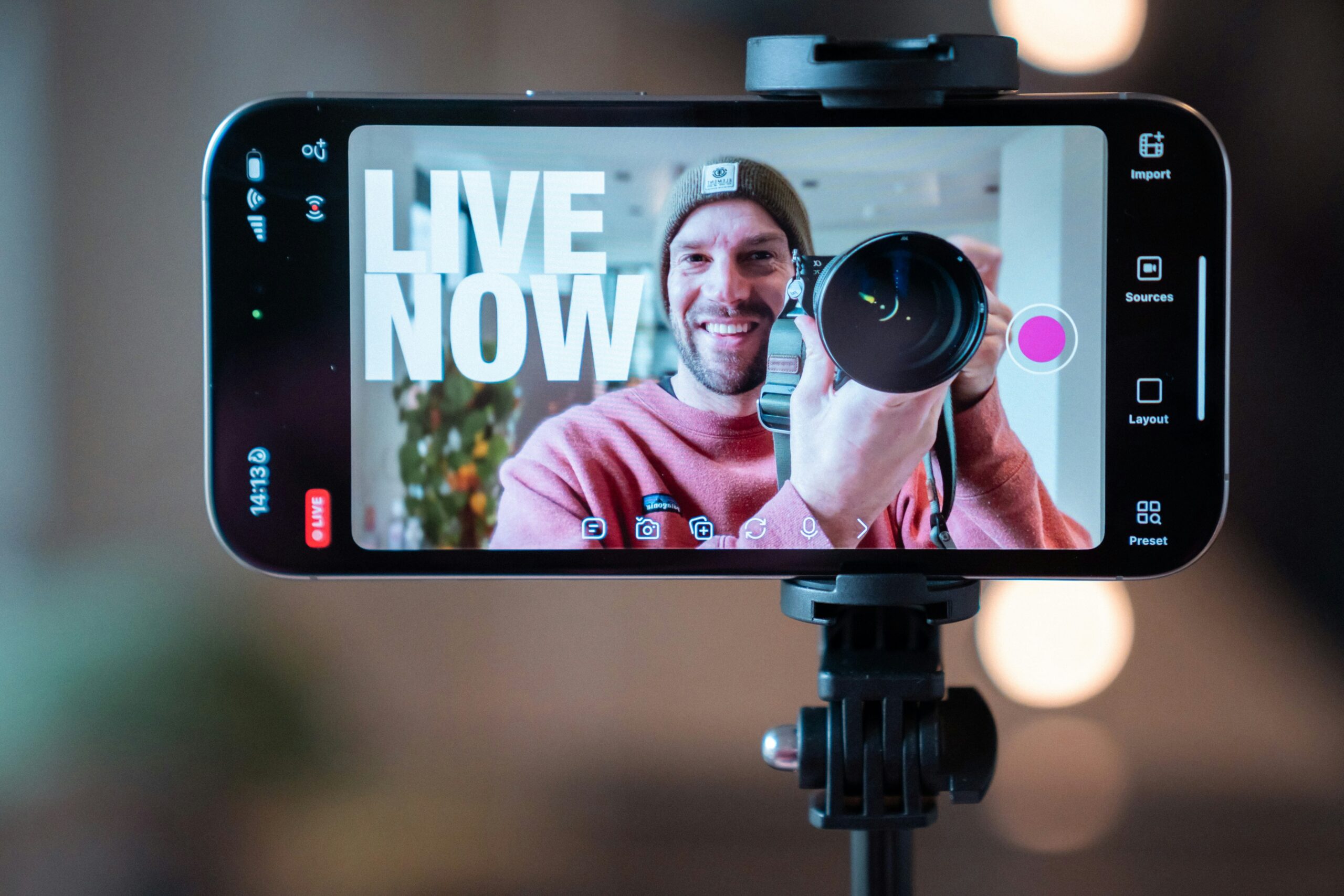
Micro-influencers are quietly outperforming some of the biggest names in the creator economy — and the brands that have figured this out are seeing results that mega-influencer budgets consistently fail to match.
The logic seems counterintuitive at first. Why work with a creator who has 15,000 followers when you could work with one who has 1.5 million? The answer lies in what actually drives the outcomes that matter to brands — not raw impressions, but genuine audience trust, high engagement, authentic recommendation, and the kind of purchase intent that converts browsers into buyers. Micro-influencers deliver all of these things at a level that larger creators, whose audiences are broader and less personally connected to them, rarely replicate. Understanding how to find, evaluate, brief, and manage micro-influencers effectively is one of the highest-leverage skills a modern marketing team can develop.
Defining the Micro-Influencer Tier
Before building a micro-influencer programme, it helps to be precise about what the term actually means — because definitions vary across the industry and the boundaries between creator tiers have practical implications for strategy and budget.
Most industry frameworks define micro-influencers as creators with between 10,000 and 100,000 followers, distinguishing them from nano-influencers (under 10,000), mid-tier creators (100,000 to 500,000), macro-influencers (500,000 to 1 million), and mega-influencers or celebrities (over 1 million). These boundaries are somewhat arbitrary — what matters more than follower count is the quality of the audience relationship and the relevance of the creator’s niche to your brand.
Within the micro-influencer tier, there is meaningful variation. A creator with 12,000 highly engaged followers in a specific niche — competitive cycling, sourdough baking, sustainable interior design — often delivers stronger campaign results than one with 90,000 broadly distributed followers across a general lifestyle category. Niche depth and audience quality matter more than where a creator falls within the follower count range.
According to Influencer Marketing Hub, micro-influencers consistently achieve higher average engagement rates than any other creator tier — with engagement rates frequently two to three times higher than those achieved by macro and mega-influencers in the same categories — making them exceptionally effective for campaigns where genuine audience interaction is a priority.
Why Micro-Influencers Outperform on the Metrics That Matter
The performance advantage of micro-influencers over larger creators is not a marketing myth — it is consistently supported by campaign data across industries and platforms. Understanding why they outperform helps you build campaigns that leverage their specific strengths rather than simply using them as cheaper alternatives to bigger names.
Genuine Audience Relationships
Micro-influencers typically built their audiences through genuine personal connection rather than viral moments or celebrity status. Their followers chose to follow them because they found their specific perspective, expertise, or personality genuinely valuable — and that elective, personal connection creates a quality of audience trust that is fundamentally different from the more passive, celebrity-adjacent relationship that mega-influencers have with much of their audience.
When a micro-influencer recommends a product, their audience receives that recommendation as coming from someone they personally trust — more like a knowledgeable friend’s advice than a celebrity endorsement. That trust differential is reflected in engagement, click-through, and conversion rates that consistently outperform what larger creators achieve despite having much smaller absolute reach.
Niche Expertise and Topical Authority
Most micro-influencers have built their audiences around a specific niche or subject matter area — and within that niche, they are often perceived as genuine authorities rather than general lifestyle personalities. A micro-influencer who has spent three years building a platform around home fermentation has an audience that trusts their judgement on fermentation products, equipment, and ingredients implicitly.
For brands whose products or services fit within a creator’s established niche, this topical authority creates a natural credibility transfer. The creator’s expertise endorses the brand’s relevance to their audience — a signal that no amount of production budget or follower count can manufacture in the absence of genuine niche alignment.
Higher Engagement Rates and Content Interaction
Engagement rate — the percentage of a creator’s audience that actively interacts with their content through likes, comments, shares, and saves — drops significantly as follower counts increase. This relationship is well-documented and reflects the natural social dynamics of audience scale: the larger an audience, the more passive consumption and the less personal connection.
Micro-influencers sit in the range where audience relationships are still personal enough to drive active engagement rather than passive scrolling. Their audiences comment genuinely, ask questions, share posts with their own followers, and have the kinds of content interactions that signal to platform algorithms that the content is worth distributing more widely — amplifying reach beyond the creator’s immediate follower base.
Cost Efficiency and Campaign Scalability
Micro-influencer rates are substantially lower than those of larger creators — typically ranging from a few hundred to a few thousand dollars per post depending on platform, niche, and engagement metrics. This cost structure allows brands to run campaigns with multiple micro-influencers simultaneously, reaching diverse audience segments, testing different content approaches, and generating a volume of content from different perspectives that a single mega-influencer placement cannot produce.
The ability to diversify across multiple micro-influencer partnerships is a significant risk management advantage as well. A single macro-influencer campaign is a concentrated bet — if the content underperforms, the campaign underperforms. A campaign spread across fifteen micro-influencers produces more varied outcomes, with strong performers partially offsetting weaker ones and generating data on which creator profiles and content approaches work best for the brand.
Finding the Right Micro-Influencers for Your Brand
Creator discovery is one of the most important and most time-consuming parts of micro-influencer marketing. The right micro-influencer is not the one with the best headline metrics — it is the one whose audience, content, values, and voice are the most genuinely aligned with your brand.
Platform-Specific Search Strategies
Different social platforms have different micro-influencer ecosystems, and the right platform for your micro-influencer programme depends on where your target audience spends time and which content formats are most appropriate for your brand.
Instagram remains the primary platform for lifestyle, beauty, fashion, food, and fitness micro-influencer marketing — with strong visual content formats and an established infrastructure for brand partnerships. TikTok is increasingly important for brands targeting younger audiences, with the platform’s algorithm giving micro-influencers disproportionate reach potential relative to their follower counts. YouTube is the strongest platform for in-depth product reviews, tutorials, and educational content. Pinterest, LinkedIn, and Substack each serve specific brand and audience combinations that make them relevant for certain micro-influencer strategies.
Start discovery by searching relevant hashtags and topic keywords on your target platform, reviewing the content of creators who consistently appear in those searches, and building a longlist of creators whose content and audience appear aligned with your brand before looking at any metrics.
Evaluating Creator Fit Beyond Metrics
Once you have a longlist, evaluate each creator against criteria that go beyond follower count and engagement rate.
Content quality and brand safety. Read or watch a significant sample of the creator’s recent content — not just their best posts, but their typical output over the past few months. Is it consistently well-produced? Does it reflect values compatible with your brand? Are there any content themes or past statements that would create brand association risks?
Audience demographic alignment. Request media kits or use platform analytics tools to verify that the creator’s audience demographics — age, gender, location, interests — match your target customer profile. A creator with excellent engagement whose audience is concentrated in demographics that don’t overlap with your customers delivers limited campaign value regardless of their other metrics.
Authentic voice and brand integration style. Does the creator integrate brand partnerships naturally into their content, or do sponsored posts feel jarring and out of place relative to their organic content? Creators who are skilled at authentic brand integration produce partnerships that perform significantly better than those whose sponsored content is obviously disconnected from their usual voice and subject matter.
Relationship with their audience. Look at the comments on recent posts. Is the creator actively engaging with their audience? Are comments genuine and substantive, or do they look like bot activity or engagement pod patterns? Genuine two-way audience relationships are one of the strongest indicators of the trust quality that drives micro-influencer campaign performance.
According to Ahrefs, audience authenticity verification is one of the most important steps in creator evaluation — with follower fraud remaining a persistent issue even at the micro-influencer tier, making independent verification of engagement quality essential before committing campaign budget.
Briefing Micro-Influencers for Maximum Performance
The way you brief micro-influencers has a larger impact on campaign performance than most brands appreciate. Over-controlling the brief consistently produces underperforming content. The right brief provides clear strategic direction while preserving the creative authenticity that makes micro-influencer content effective.
What a Strong Micro-Influencer Brief Includes
Campaign objective and context. What is the campaign trying to achieve? Is this a brand awareness play, a product launch, a conversion campaign, or a content creation initiative? The creator needs to understand the objective to make creative decisions that serve it.
Brand and product information. What does the creator need to know about your brand, your product, and your brand voice to represent you accurately? Provide factual product information, key messages you want communicated, and any claims that are supported by evidence they can reference.
Mandatory elements. What must be included? Specific product mentions, hashtags, discount codes, calls to action, disclosure language — list these clearly and concisely.
Content restrictions. What can’t be said or shown? Legal restrictions, competitor mentions to avoid, content themes incompatible with brand guidelines — frame these as guardrails rather than exhaustive rules.
Creative latitude. Explicitly encourage the creator to execute within their own voice and style. The most important instruction in many micro-influencer briefs is the one that says: “We trust your creative judgement — tell this story in the way that will resonate most authentically with your audience.”
What to Leave Out of the Brief
Scripts, shot-by-shot directions, required sentence structures, and overly prescriptive content specifications should be removed from micro-influencer briefs. These elements signal distrust of the creator’s expertise and produce content that sounds like a brand advertisement rather than a genuine creator recommendation.
According to Backlinko, the content that performs best in influencer campaigns is almost always the content where creators had the most genuine creative freedom — because audiences can detect inauthenticity in creator content at a level of sensitivity that makes over-produced, over-scripted brand content consistently underperform organically produced alternatives.
Managing Multiple Micro-Influencer Relationships
Running campaigns with multiple micro-influencers simultaneously introduces logistical complexity that needs systematic management to avoid becoming unworkable.
Build a centralised campaign management system. Whether you use a dedicated influencer marketing platform or a well-structured project management tool, every creator relationship, deliverable, deadline, and communication should be tracked in a single place. Managing twenty micro-influencer partnerships across email threads and spreadsheets is unsustainable and produces missed deadlines and inconsistent reporting.
Standardise your onboarding process. Every new micro-influencer partnership should follow the same onboarding sequence — brief delivery, product seeding confirmation, content approval timeline, posting schedule, tracking link or code setup, and reporting requirements. Consistency in onboarding reduces errors and sets clear expectations from the start of every relationship.
Create feedback loops that improve over time. After each campaign, document what worked and what didn’t at the creator level. Which creators over-delivered? Which content formats performed strongest? Which audience demographics converted best? This data compounds in value across campaigns — each cycle of micro-influencer activity teaches you more about which partnerships are worth deepening and which creator profiles to prioritise in future discovery.
Measuring Micro-Influencer Campaign Performance
Measurement frameworks for micro-influencer campaigns need to be calibrated for the specific characteristics of this creator tier — particularly the reality that individual micro-influencer placements produce smaller absolute numbers than mega-influencer campaigns, making aggregate campaign metrics more meaningful than individual post performance for most analyses.
Track at the campaign level, not just the creator level. Aggregate reach, total engagements, combined click volume, and overall conversion attribution across all creators in a campaign gives you a meaningful picture of campaign performance. Individual creator metrics are useful for optimisation decisions but should not be used to evaluate the campaign as a whole.
Use unique tracking infrastructure per creator. UTM parameters on every link, unique discount codes per creator, and landing page variants where appropriate give you direct attribution data that makes it possible to compare creator performance on a like-for-like basis and identify which partnerships deliver the strongest downstream business impact.
Look beyond the campaign window. Micro-influencer content — particularly YouTube reviews, blog posts, and long-form platform content — continues generating views, traffic, and conversions long after the initial posting date. Build a 90-day post-campaign measurement window into your reporting framework to capture the full value of content that keeps performing after the initial promotional push.
According to Search Engine Journal, brands that implement multi-touch attribution models for influencer campaigns — tracking the full customer journey from first influencer touchpoint to eventual conversion — consistently find that influencer marketing contributes significantly more to revenue than last-click attribution models suggest, particularly for micro-influencer campaigns where the path to purchase often involves multiple touchpoints before conversion.
Building Long-Term Micro-Influencer Relationships
The full value of micro-influencer marketing is realised not through one-off campaigns but through sustained relationships where creators genuinely integrate a brand into their content universe over time.
Micro-influencers who have worked with a brand repeatedly develop genuine product familiarity, authentic enthusiasm, and the kind of deep audience association between their platform and your brand that no single post can create. Their audiences learn to associate the creator with the brand — and that association becomes a trust signal that compounds with every mention.
Identify your strongest performing micro-influencer partners after each campaign cycle and invest in deepening those relationships — higher posting frequency, ambassador arrangements, product development input, event invitations, or co-created content that gives the creator genuine creative investment in the brand’s story. These deepened relationships consistently produce the strongest long-term micro-influencer marketing ROI of any partnership structure.
If you are ready to build a micro-influencer programme that is designed for genuine performance from the outset — with systematic creator discovery, performance-focused campaign management, and the strategic frameworks to scale what works — our influencer marketing services are built around exactly the approach this guide describes.
