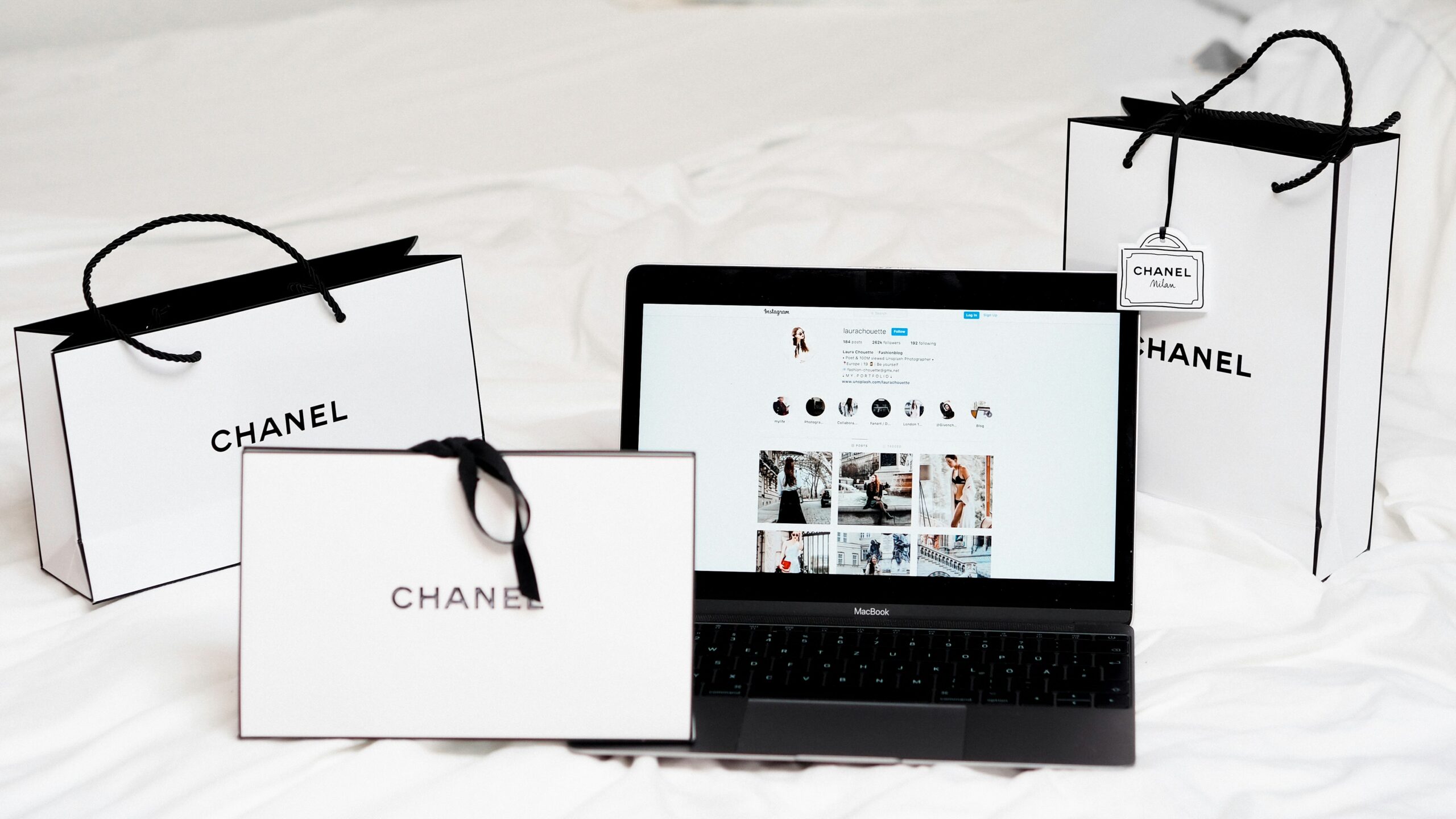
Fashion e-commerce link building combines visual storytelling, influencer partnerships, and editorial relationships to build style authority.
The fashion industry operates at the intersection of commerce and creativity where visual appeal and brand perception drive purchasing decisions as much as product quality. Link building strategies must reflect this reality by emphasizing aesthetic excellence, trend awareness, and authentic style authority. Moreover, fashion consumers trust recommendations from influencers, stylists, and fashion publications more than traditional advertising, making earned media placements particularly valuable.
Successful fashion link building requires understanding that you’re building brand desirability alongside search rankings. Links from respected fashion sources signal credibility that influences purchase decisions directly beyond pure SEO benefits.
Understanding Fashion Media Landscape
Editorial calendar awareness enables timely outreach. Fashion publications plan content months ahead around fashion weeks, seasonal collections, and holiday shopping. Pitching stories aligned with editorial calendars dramatically improves placement likelihood.
Trend cycle timing affects content relevance. Fashion moves through predictable seasonal cycles with distinct phases for trend forecasting, seasonal previews, and current season coverage. Content matching current cycle phases resonates better with fashion media.
Publication tier hierarchy structures outreach strategy. Vogue and similar tier-one publications rarely feature emerging brands directly, while tier-two and tier-three fashion blogs actively seek new brands. Shopify research indicates that tier-two fashion blog placements generate 3x more conversions than equivalent-authority sites in other industries.
Building Relationships With Fashion Bloggers
Aesthetic alignment matters fundamentally. Fashion bloggers cultivate specific aesthetic identities. Brands matching these aesthetics naturally fit their content, while mismatched styles feel forced regardless of product quality.
Gifting programs generate organic coverage. Sending products to fashion bloggers creates opportunities for organic features when items align with their style. However, avoid expecting guaranteed coverage from gifted products to maintain authentic relationships.
Long-term partnerships deliver compounding returns. Rather than one-off product seeding, developing ongoing relationships with bloggers whose aesthetics align creates advocates who feature your products repeatedly across seasonal content.
Leveraging Lookbook and Editorial Content
Seasonal lookbook excellence attracts editorial links. Professionally shot lookbooks showcasing seasonal collections become resources that fashion blogs reference when creating their own seasonal content or trend forecasts.
Styling guide creation provides practical value. Comprehensive guides showing how to style specific pieces or create looks from your collections help customers while providing content fashion blogs link to as styling inspiration.
Behind-the-scenes content humanizes brands. Stories about design processes, fabric sourcing, or collection inspiration interest fashion media while differentiating your brand from commodity retailers. Moreover, authentic storytelling attracts links from publications valuing craft and creativity.
Collaborating With Fashion Influencers
Instagram partnership strategies reach visual audiences. Fashion Instagram influencers drive significant purchase decisions through outfit posts and style content. While Instagram links don’t directly benefit SEO, influencer partnerships often include blog features and YouTube content that generate backlinks.
YouTube fashion content creates lasting assets. Fashion YouTubers producing styling videos, haul content, or collection reviews create evergreen content that accumulates views and links over time. Moreover, YouTube descriptions typically include brand links providing direct referral traffic.
TikTok fashion trends drive viral potential. Fashion TikTok’s rapid trend cycles create opportunities for brands whose products align with emerging trends. Viral TikTok success often translates to coverage from fashion blogs documenting trends. Think with Google reports that 67% of TikTok users discover new fashion brands through the platform.
Creating Style Trend Reports
Original trend research positions brands as authorities. Publishing proprietary trend forecasts based on sales data, search trends, or social media analysis establishes your brand as an industry voice rather than simply another retailer.
Color and style forecasting demonstrates expertise. Annual predictions about upcoming color trends, silhouette preferences, or style movements generate media coverage when your forecasts prove accurate or offer unique perspectives.
Customer data insights provide story angles. Analysis of purchasing patterns, regional style preferences, or demographic trends interests business publications covering retail alongside fashion media covering consumer behavior.
Building Links Through Fashion Events
Fashion show coverage generates event-based links. Hosting or sponsoring fashion shows creates newsworthy events that local media and fashion blogs cover. Subsequently, event coverage typically includes brand mentions and links.
Pop-up shop launches attract local coverage. Temporary retail experiences in new markets generate interest from local fashion bloggers, lifestyle publications, and event coverage sites. Link building services for fashion brands often coordinate pop-up launches with blogger events to maximize coverage.
Trunk show partnerships create collaborative opportunities. Partnering with boutiques for trunk shows generates coverage from boutique blogs and local fashion communities while building retail relationships that often include online mentions.
Leveraging Sustainable Fashion Momentum
Sustainability certifications attract conscious consumer coverage. Eco-friendly materials, ethical manufacturing, or sustainability certifications appeal to growing conscious consumer segments. Publications focused on sustainable living frequently feature certified sustainable fashion brands.
Supply chain transparency differentiates premium brands. Detailed information about manufacturing partners, material sourcing, or artisan relationships interests publications covering ethical fashion while building consumer trust that influences purchase decisions.
Circular fashion initiatives generate innovative coverage. Repair programs, recycling initiatives, or resale integration demonstrate environmental commitment that attracts coverage from sustainability publications expanding beyond traditional fashion media.
Targeting Gift Guide Opportunities
Seasonal gift guide placement drives concentrated sales. Holiday gift guides, Mother’s Day roundups, or occasion-specific collections generate significant traffic spikes. Securing placement in multiple gift guides compounds returns during key shopping seasons.
Niche gift angles improve placement odds. Rather than competing in general “Fashion Gifts” guides, target specific angles like “Gifts for Minimalists,” “Sustainable Fashion Gifts,” or “Workwear Essentials” where your brand fits perfectly.
Press kit optimization streamlines inclusion. Provide high-resolution product images, detailed descriptions, pricing information, and story angles in easily accessible formats. Fashion editors assembling gift guides appreciate ready-to-use resources.
Building Authority Through Style Education
Body type styling guides serve diverse audiences. Comprehensive content helping different body types find flattering styles demonstrates inclusivity while providing valuable resources that fashion blogs and body positivity sites reference.
Wardrobe building frameworks help customers. Capsule wardrobe guides, seasonal essentials lists, or investment piece recommendations provide genuine value that personal finance blogs and minimalist lifestyle sites link to alongside fashion publications.
Fabric and material education elevates brand perception. Detailed explanations of fabric properties, care requirements, or quality indicators position your brand as an authority while helping customers make informed decisions.
Measuring Fashion Link Building Success
Referral traffic quality reveals placement value. Fashion blog links should drive engaged visitors who explore multiple products and add items to carts. High bounce rates from fashion placements suggest aesthetic misalignment between linking site audiences and your brand.
Brand search volume indicates awareness growth. Successful fashion link building increases branded searches as consumers discover your brand through editorial features and influencer content. Growing brand searches signal expanding market awareness.
Social amplification extends link value. Fashion content gets shared extensively across social platforms. Track how linked content performs socially to understand full impact beyond direct referral traffic and SEO benefits.
Avoiding Fashion Link Building Mistakes
Aesthetic misalignment wastes partnership opportunities. Forcing partnerships with influencers or publications whose style doesn’t match your brand feels inauthentic to their audiences. Focus on natural aesthetic fits rather than maximum reach.
Neglecting visual quality undermines credibility. Low-quality product photography, amateur styling, or poor website design contradicts fashion brand positioning. Visual excellence forms the foundation enabling all other link building efforts.
Over-discounting damages brand perception. While promotional pricing drives short-term sales, excessive discounting positions brands as lower-tier retailers. Fashion authority requires maintaining brand prestige alongside link acquisition.
Collaborating With Fashion Tech Platforms
Virtual try-on technology attracts tech coverage. Implementing AR fitting rooms or virtual styling tools positions brands at fashion’s technology frontier. Tech publications covering fashion innovation provide authoritative backlinks alongside fashion media coverage.
AI styling recommendations demonstrate innovation. Personalization technology helping customers discover products generates coverage from publications covering retail technology and customer experience innovation.
Metaverse fashion initiatives create futuristic positioning. Virtual fashion for digital avatars, NFT collections, or metaverse retail experiences attract coverage from both fashion-forward publications and technology media exploring digital commerce.
Future-Proofing Fashion Link Strategy
Social commerce integration anticipates shopping evolution. As social platforms add native shopping features, content and links increasingly emerge from social commerce experiences. BigCommerce data shows that social commerce drives 30% of fashion e-commerce traffic.
Live shopping experiences create interactive engagement. Live-streamed shopping events combining entertainment and commerce generate coverage while driving direct sales. Publications covering retail innovation feature brands pioneering live commerce formats.
Community-driven design incorporates customer input. Collaborative design processes where customers influence products through voting or feedback generate stories about brand-customer relationships that lifestyle and business publications cover.
Conclusion
Fashion e-commerce link building succeeds through authentic style authority development and strategic media relationships. The approach requires visual excellence, trend awareness, and partnerships with influencers and publications whose aesthetics align with your brand identity. Success comes from building genuine fashion credibility that audiences trust rather than simply acquiring links for SEO purposes.
Sustainable fashion authority develops through consistent aesthetic vision and valuable content creation. Brands providing genuine style inspiration, educational resources, and innovative shopping experiences naturally attract coverage from fashion media and influencer communities. Moreover, earned fashion media placements drive both search visibility and direct purchase consideration through credibility signals that advertising cannot replicate.
Begin by defining your brand’s aesthetic identity clearly and identifying fashion bloggers, influencers, and publications whose style aligns naturally. Create visually stunning lookbooks, styling content, and trend insights that demonstrate your fashion authority. Then systematically build relationships through authentic engagement, strategic gifting, and collaborative content creation. This foundation establishes fashion credibility that generates sustainable link acquisition and brand desirability.
